Whale Watching Season in Victoria BC: Best Months to See Orcas & Humpbacks (2026)
Whale watching out of Victoria is not a year-round activity, and the operators are open about why. The boats run from spring into autumn, and the months either side of that window are quiet water.
At a glance: The season runs roughly April through October.
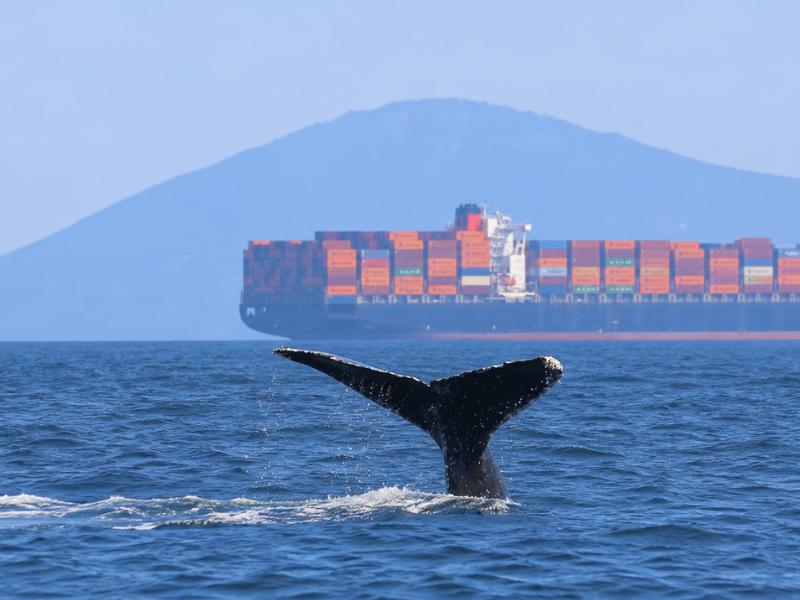
The Victoria whale-watching calendar
Season window from the operator's own stated April to October operating season and 95% sighting success rate. Peak months reflect the June to October window reported in current search results for Victoria whale watching. Conditions vary year to year.
When is whale-watching season in Victoria BC?
The season runs roughly April through October. Within it, sightings are strongest from June to October, and the operator we work with reports whales on more than 95% of trips across the whole window. Some Victoria operators run year-round, although schedules and vessel choices are more limited in winter. Check the departure for your date.
Victoria's position is what makes the season work. The city sits on the Salish Sea, the body of water between Vancouver Island and the mainland, on a stretch that resident and transient orcas both use and that humpbacks have been returning to in growing numbers. Boats reach productive water within a short run from the harbour rather than an hour offshore. Tourism Victoria carries the wider seasonal picture if you are still choosing dates for the trip as a whole.
What changes across the season is not really whether whales are there but what the conditions are like around them. April water is cold and often choppy. Midsummer is calmer, brighter and longer. September and October carry strong activity with fewer boats and a real chance of the best sightings of the year, provided you dress for it.
| Period | Tours running | Sighting strength | Conditions |
|---|---|---|---|
| November to March | No | Not applicable | Off season |
| April | Season opens | Building, early arrivals | Cold, often choppy |
| May | Yes | Good and improving | Mild, longer days |
| June to July | Yes | Strong | Usually the calmest water and longest light |
| August | Yes | Strong | Warm and busy, book ahead |
| September | Yes | Strong, fewer boats | Softer light, thinner crowds |
| October | Season closes | Can be excellent | Cold on the water, dress properly |
Which whales will you actually see, and when?
The tour's own listing names orcas, humpbacks, minke and gray whales as the species it looks for, alongside seals, porpoises and seabirds on almost every trip. Orcas and humpbacks are the two you are most likely to see, and both build through the summer into early autumn.
A short word on orcas, since the terminology confuses people. Two very different kinds use these waters: fish-eating residents that travel in large family groups, and mammal-hunting transients, often called Bigg's killer whales, that move in smaller units. They look similar from a boat and behave completely differently, which is the sort of thing a naturalist guide is there to explain while you watch.
| Species | Typical presence | What you notice |
|---|---|---|
| Orca, resident type | Through the season, more reliable in summer | Large family groups, coordinated travel |
| Orca, Bigg's or transient type | Across the season | Smaller groups, hunting behaviour |
| Humpback | Numbers build through summer into autumn | Big blows, flukes on the dive, breaching |
| Minke | Occasional through the season | Small, fast, easy to miss |
| Gray whale | Less common, more likely earlier in the season | Mottled backs, no dorsal fin |
| Seals, sea lions, porpoises | Almost every trip | The consolation prize that rarely disappoints |
| Bald eagles and seabirds | Almost every trip | Along the shoreline and rocks |
Nobody can promise a species on a given day, and any operator who does is selling something they cannot deliver. What the season buys you is odds, and the odds here are unusually good.
Worth adjusting your expectations on scale as well. Orcas are large animals and they still look small against open water, which is the most common surprise on a first trip. What people remember afterwards is rarely the size: it is the sound of a blow carrying across still water, or the moment a family group surfaces together in a line, or a humpback's tail going vertical before a deep dive. Those are the images that stay, and none of them come across in a photograph.
The other thing a guide adds is reading the water. Experienced crews spot a blow at a distance most passengers cannot, and they track behaviour rather than just position, which is why one boat finds animals while another sits empty a kilometre away. Radio contact between operators means a sighting by one boat usually becomes a sighting for several, which is part of why the reported success rate holds up.
What is the best month for whale watching in Victoria?
June through October is the peak window, and if you want one month, take July or September. July gives the calmest water and the most daylight. September gives nearly the same sighting strength with fewer boats and softer light. April and May work, and are the cheapest, coldest and least predictable end of the season.
| Month | Sightings | Water and weather | Crowds | Verdict |
|---|---|---|---|---|
| April | Season opening, building | Cold, choppy, changeable | Light | For the keen, not the cautious |
| May | Good | Mild, longer days arriving | Moderate | A solid, quieter choice |
| June | Strong | Longest daylight of the year | Building | Excellent all round |
| July | Strong | Usually the calmest, warmest water | Heavy | The best conditions, book ahead |
| August | Strong | Warm, settled | Heaviest | Great, but the busiest boats |
| September | Strong | Still mild, softer light | Falling away | Our pick for value and quality |
| October | Can be excellent | Cold on the water, wetter | Light | Last chance, dress seriously |
Time of day matters too. Morning departures more often meet glassy water before the afternoon breeze builds, which makes for a more comfortable ride and easier spotting. We answer the month question in short form at what month is best for whale watching in Victoria, and the broader trip-planning version lives in our month-by-month guide to visiting Victoria.
Zodiac or a covered boat: which should you take?
A zodiac puts you at water level in an open, high-speed inflatable with twelve passengers and a flotation suit, and the closeness to the water is the whole point. A larger covered vessel trades that intimacy for a cabin, a washroom and shelter from spray. Neither is better. They are different trips.

| Open zodiac | Larger covered vessel | |
|---|---|---|
| How close you feel to the water | At water level, very immediate | Raised deck, more removed |
| Ride | Fast and bouncy by design | Steadier |
| Shelter | None, flotation suit provided | Indoor cabin |
| Group size | Around 12 passengers | Often several dozen |
| Suits | Adventurous travellers, photographers who want low angles | Families with small children, anyone needing a washroom |
| Not suitable for | Pregnant travellers or people with back problems | Rarely restricted |
The 3-hour zodiac whale-watching trip on the Salish Sea is the open-boat version: $141, departing from Wharf Street in downtown Victoria. The operator is explicit that the ride is not suitable for pregnant travellers or anyone with back problems, and if that rules you out, a covered vessel with another local operator is the right alternative rather than pushing through it.
What is the trip actually like?
Three hours from the downtown waterfront: check in about fifteen minutes early on Wharf Street, get fitted with a flotation suit, then head out into the Salish Sea with a naturalist guide narrating. Twelve passengers, no cabin, dry storage for what you bring, and a fast ride between search areas.
The shape of a trip is search, find, settle. Boats cover ground quickly to reach where animals have been reported, then slow right down and hold position at a respectful distance once they are with them. Good captains spend a lot of effort on positioning so that everyone aboard gets a view without crowding the animals, and that patience is a large part of what you are paying for.
The temperature drop between the dock and open water is the thing first-timers underestimate. A warm afternoon in the harbour becomes a cold one at speed on the water. Flotation suits are windproof, but they are not insulation, which is why the operator tells everyone to wear warm layers underneath regardless of the forecast.
Three hours is the right length. Long enough to search properly if the first area is empty, short enough that it fits into a day without dominating it. If you are on a cruise call, we work through how that slots into a port stop in the Victoria cruise port guide.
What does a Victoria whale trip cost, and is it good value?
The zodiac trip is listed at $141 for three hours on the water, which puts it at the top of the price ladder for activities in Victoria. Against a $18 ghost walk or a $49 sightseeing bus that looks expensive. Against the cost of running a fast boat with a naturalist aboard for three hours, it is ordinary.
Every operator named here is one Victoria BC Tours already lists, with live prices shown on their own booking page.
The comparison that matters is not with other tours but with the alternative, which is not seeing a whale. Nothing you can walk to in Victoria substitutes, and the coastline you cover on the way out is not visible from any road.
| What you are paying for | Included |
|---|---|
| Three hours of boat time | Yes, fuel and crew included in the fare |
| Flotation suit | Provided, sized on arrival |
| Naturalist commentary | Yes, throughout the trip |
| Dry storage for your bag | Yes, on board |
| A second trip if no whales are seen | Yes, complimentary |
| Warm clothing under the suit | No, bring your own |
| Food and drink | No, eat beforehand or after |
For a family it adds up quickly, and that is the one case where a larger covered vessel is worth pricing as well, since bigger boats can carry more people and sometimes price accordingly. For one or two travellers on a multi-day stay, the zodiac is the better experience and the free second trip makes the risk close to nil.
How do you photograph whales from a small boat?
Shoot wide rather than long, keep the camera on a strap, and accept that the best moments happen faster than autofocus. A phone at water level from a zodiac often beats a heavy zoom lens, because the boat sits so low that the animal fills the frame without any reach at all.
The physics work against long lenses here. You are on a moving platform, low to the water, frequently damp, with one hand needed for the boat. A 400mm lens is hard to hold steady in those conditions and the salt spray is unkind to it. People come back with better images from a phone or a compact than from equipment that cost twenty times more.
Practical habits that help. Keep the horizon in the frame so the picture reads as a whale in a sea rather than a grey shape. Shoot bursts, since a surfacing lasts a second or two. Watch with your eyes for the first minute of any encounter and only then pick up the camera, because the thing people regret is spending the whole sighting looking at a screen.
Wind and glare are the two enemies. Sunglasses help you see the blow, a lens cloth in a pocket saves the shot after the first big spray, and a strap around your neck rather than your wrist keeps the camera in the boat when it lurches. The dry storage on board is for everything you are not actively holding.
What should you wear and bring?
Warm layers under the flotation suit, a hat and gloves outside the hottest weeks, sunglasses and sunscreen, and a camera you do not mind getting spray on. The suit handles wind and water. Everything else is your own responsibility.
| Item | Why | How important |
|---|---|---|
| Warm base and mid layers | The suit blocks wind but does not insulate | Essential in every month |
| Hat and gloves | Extremities feel the wind chill first | Essential April, May, September, October |
| Sunglasses | Glare off the water is constant | Essential |
| Sunscreen | Reflected light burns faster than you expect | Essential in summer |
| Camera with a strap | Spray, motion and one hand on the boat | Recommended |
| Motion sickness remedy | Open water and a fast ride | If you are prone to it, take it beforehand |
Leave anything you cannot afford to get wet on shore, or put it in the dry storage on board. Phones in hands over open water end badly with reasonable regularity.
A word on what not to wear. Loose hats blow off at speed, long scarves are a nuisance in a flotation suit, and anything white will be salt-marked by the end. Sturdy shoes with grip beat anything fashionable, since you will be moving around a wet deck at some point in three hours. Dress as though you were going out on a small boat in early spring, whatever the calendar says, and you will be comfortable.
Are sightings guaranteed?
No, and any operator claiming otherwise should be treated carefully. What this operator offers is a reported success rate above 95% across the April to October season, plus a complimentary second trip if your first one comes back without a whale. That is the honest version of a guarantee.
The practical implication is about scheduling rather than probability. If you are in Victoria for a single day, the free second trip is of no use to you, because you will not be there to take it. Book your whale trip on the first available day of a multi-day stay and that backup becomes real rather than theoretical.
Worth keeping in perspective: even on a rare trip without whales, the Salish Sea delivers seals, sea lions, porpoises, eagles and shoreline that most people would happily pay to see on their own. The trips people describe as disappointing are usually the ones where they expected a documentary and got weather. We take that question head on in is whale watching worth it in Victoria.
How does a whale trip fit the rest of a Victoria visit?
It occupies about four hours of a day once you include suiting up and getting back, and it departs from the downtown waterfront, so it pairs naturally with anything else in the core. The one thing it does not pair with is a same-day trip up-island, which needs the whole day on its own.
| Same day as | Works? | Notes |
|---|---|---|
| Walking the Inner Harbour and Old Town | Yes | Both start where the boat lands |
| A 2-hour food and history walk | Yes | Eat after the boat, not before |
| The evening ghost walk | Yes | Different halves of the day entirely |
| The half-day Butchart Gardens combo | Tight but possible | Morning boat, afternoon gardens |
| The 9-hour Cathedral Grove day trip | No | That trip is the whole day |
| A ferry day to Vancouver | No | Also a whole-day commitment |
That last row is not close. A return crossing plus terminal transfers runs four to five hours in each direction, and the BC Ferries official schedule thins out enough in the shoulder season that a missed sailing costs you a further two hours. Pick one or the other for the day.
Morning is the slot to take if you can. Calmer water, better odds of glassy conditions, and it leaves the afternoon free for the city. It also means you get back on land with time to warm up properly, which matters more in April and October than anyone expects before they go. Our 2 and 3 day Victoria itinerary shows how it sits inside a longer stay, and the day trips from Victoria guide covers what does not fit alongside it.
What do people get wrong about whale watching in Victoria?
Five recurring mistakes: assuming trips run in winter, dressing for the city instead of the water, booking on the last day of a trip so the second-trip backup is useless, expecting a guaranteed species, and booking a zodiac when a covered boat suits them better.
| Mistake | What it costs | Fix |
|---|---|---|
| Planning a winter whale trip | No boats running at all | Travel between April and October |
| Dressing for the forecast | Three cold hours | Warm layers under the flotation suit |
| Booking on your last day | The free second trip is unusable | Book early in your stay |
| Expecting a specific species | Disappointment at a good sighting | Go for the sea, take the whale as the bonus |
| Taking a zodiac with back trouble | A genuinely uncomfortable three hours | Choose a covered vessel instead |
| Booking an afternoon slot in summer | Choppier water once the breeze builds | Take a morning departure |
One more piece of advice that does not belong in a table: build a spare afternoon into your stay if whales are the reason you came. Trips are cancelled for weather occasionally, and a cancellation on your only free day means the refund arrives and the experience does not. Booking on day one of a three-day stay costs you nothing and quietly protects the whole plan.
Do it properly and it is the single best thing this coast offers. Victoria has plenty of pretty streets and one genuinely wild thing on its doorstep, and the wild thing is only available for seven months of the year. If you are still assembling the rest of the trip, what not to miss in Victoria covers the city side of the same question, and free things to do in Victoria is where to look if the boat fare is the splurge in an otherwise lean trip.