Is Whale Watching Worth It in Victoria?
Whale watching is the single most expensive thing most visitors book in Victoria, and the one they second-guess hardest before paying. Here is the honest version of what that money buys.
At a glance: Yes for most visitors, with one condition: go between April and October.
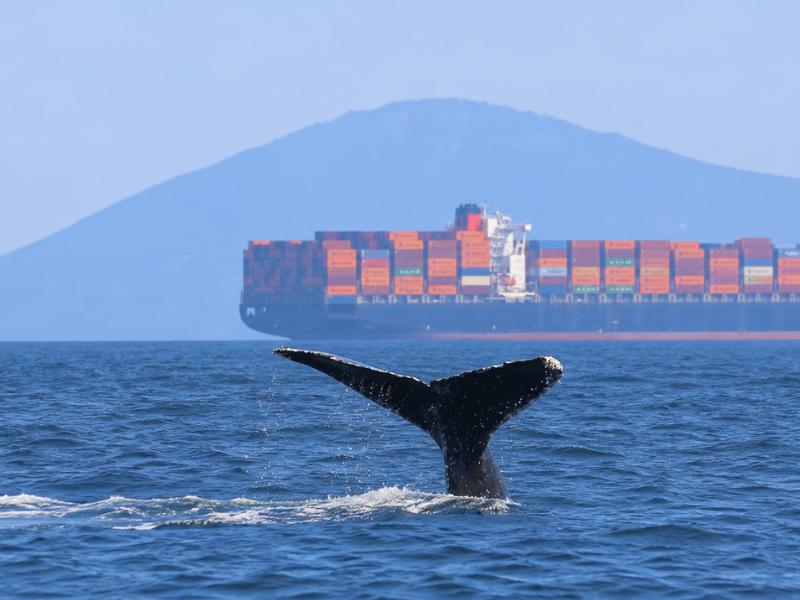
Is whale watching in Victoria worth the money?
Yes for most visitors, with one condition: go between April and October. The zodiac trip running out of Victoria's Inner Harbour reports a success rate above 95% inside that window and hands you a free second trip if the boat returns without a sighting. Outside those months, spend the money elsewhere.
The numbers behind that verdict are worth knowing before you decide. The 3-hour zodiac run on the Salish Sea starts around $141 per person. That is real money for three hours. What tips it is that Victoria sits on genuinely productive water rather than on a hopeful stretch of coast where operators run trips anyway.
The comparison people make in their heads is usually wrong, though. They weigh $141 against a museum ticket or a bus tour, and those are different products. A closer comparison is a half-day activity that may or may not deliver the thing you came for. Once the guarantee is factored in, the risk of paying and getting nothing drops close to zero in season.
What are your real odds of seeing a whale?
The operator states a success rate above 95% between April and October, and backs it with a second-trip guarantee if no whales are seen. That is not a promise of a breaching orca ten feet off the bow, but it does mean a completely blank day is the exception rather than something you should plan around.
Victoria BC Tours lists all twelve of these excursions on one page, each with live prices and real booking availability.
What shows up varies by month and by luck. The trip goes looking for orcas, humpbacks, minke and gray whales, and boats in the area coordinate sightings with each other, so a captain rarely searches alone. Bigg's killer whales, the mammal-hunting transients, are the ones most often encountered in these waters, and humpback activity builds through summer into early autumn.
The sea lions, harbour seals, porpoises and bald eagles are not the consolation prize the brochures make them sound like. On a slow whale day they carry the trip. If you want the month-by-month breakdown rather than the season-wide answer, the Victoria whale watching season guide lays out what turns up when, and the best month to book answers the narrower question directly.
What do three hours on a zodiac actually feel like?
Loud, wet, cold and fast. You ride a 12-passenger rigid inflatable, sitting low and open to the weather, with a full flotation cruiser suit over your clothes. Guests describe it as a smooth mini rollercoaster. It is closer to a small boat adventure than to a sightseeing cruise.
The trip leaves from the docks near the Harbour Air terminal on the Inner Harbour, starting with a suit fitting and a safety briefing before the boat opens up. From there it runs out into the Salish Sea and toward the Juan de Fuca Strait, sometimes as far as the coastal channels near Sooke. A certified marine naturalist rides along and does the explaining, which is the difference between watching a dark shape surface and understanding what you are looking at.
The trade-off against a large covered vessel is straightforward. The zodiac puts you at water level and gets closer to the action, but there is no lounge, no galley and nowhere to warm up. No meals are served on board. There is dry storage under the seat for a phone and a wallet, and that is the extent of the comfort.
What is included in the price, and what is not?
The fare covers the naturalist guide, the flotation suit, dry storage and the second-trip guarantee, plus a downtown shuttle from selected accommodations. It does not cover food, drinks, camera gear, warm base layers or gratuities, and the suits are windproof rather than warm on their own.
| Included in the fare | Not included |
|---|---|
| Certified marine naturalist guide | Food and drinks (none served on the zodiac) |
| High-visibility full flotation cruiser suit | Warm base layers under the suit |
| Dry storage under your seat | Camera or zoom lens rental |
| Second-trip guarantee if no whales are seen | Gratuities for the crew and captain |
| Downtown shuttle from select hotels | Travel insurance |
That base-layer line matters more than it reads. The suit blocks wind and keeps you afloat, but it does not generate heat, and three hours of sea spray in April is a different experience from three hours in late July. Wear more than you think you need.
Who should skip it?
Skip the zodiac if you get seasick easily, have back or neck problems, are travelling with small children. Anyone who wants a heated cabin, a washroom and a coffee should look at a larger covered vessel instead of writing off whale watching altogether.
The open boat bounces. That is the appeal for most passengers and the deal-breaker for a few, and there is no polite way to leave halfway through. If motion sickness is a known problem for you, take something well before boarding rather than at the dock.
Winter departures depend on the operator and vessel; some Victoria operators run year-round. For a land-based alternative, consider the options covered in Victoria after dark or the free walking routes in our free things to do guide.
When should you book it?
Book a morning departure in June or July if calm water is your priority, and reserve several days ahead for peak summer weekends. Cruise passengers with a short call should check their time ashore against the three-hour run plus travel before committing to a fixed departure.
Morning slots tend to sit on the calmest water for tracking resident orca pods, and they are the first to fill. Booking a day or two out in shoulder season is usually fine, but a Saturday in July is not something to leave to chance at the kiosk.
If you are building a multi-day plan, the trip slots neatly into a morning and leaves the afternoon free, which is how it appears in our 2 and 3 day Victoria itinerary. Arriving by ship instead? Check the timing advice in the Victoria cruise port guide first, because a late-afternoon call rarely leaves room for a boat trip.