What Month Is Best for Whale Watching in Victoria, BC?
Victoria's whale-watching season has a hard start and a hard stop, and the months in between are not interchangeable. Water conditions, daylight hours and what is actually feeding out there shift week by week.
At a glance: June and July are the strongest months.
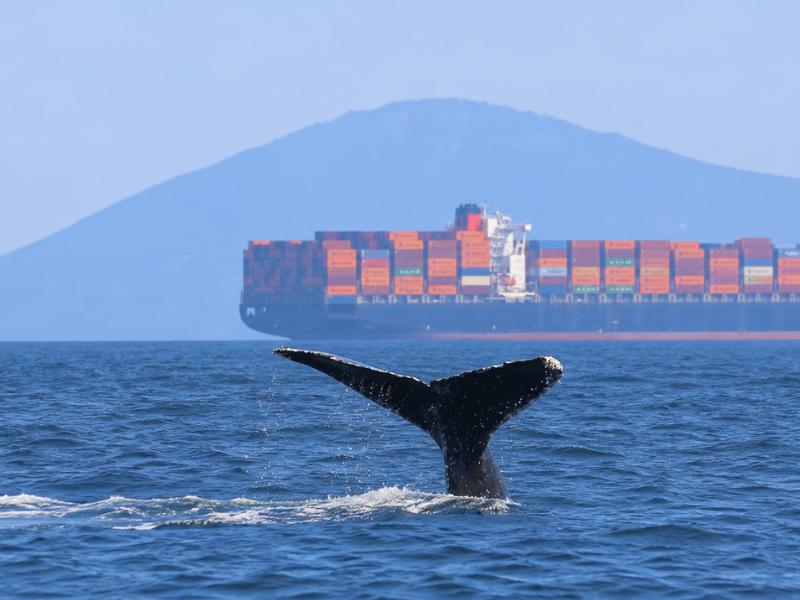
What month is best for whale watching in Victoria, BC?
June and July are the strongest months. They sit at the centre of an operating season that runs roughly April through October, they carry the longest daylight and generally the calmest water of the year, and they land in the stretch when orca and humpback activity in the Salish Sea is building toward its peak.
The season boundaries are not arbitrary. Local operators run from spring into autumn because that is when the whales are reliably present and the weather makes small-boat trips sensible. The three-hour zodiac trip on the Salish Sea states a success rate above 95% between April and October on its own listing, which is the closest thing to a guarantee anyone offers.
If you have flexibility, aim for the back half of June or the first half of July. If you do not, the good news is that the whole April to October window works, and the month-by-month differences are more about comfort than about odds.
How does each month of the season compare?
April opens the season with cold water and thin crowds. May and June build steadily as spring activity picks up. July and August are the peak for weather and demand. September holds the sightings while shedding the crowds, and October closes things out cold and wet but quiet.
Every operator named here is one Victoria BC Tours already lists, with live prices shown on their own booking page.
| Month | Water and weather | What stands out | Crowds |
|---|---|---|---|
| April | Cold, changeable, wetter | Season opens; spring arrivals begin | Lightest of the season |
| May | Warming, still cool on the water | Spring activity established; the operator flags early May as a strong window | Building |
| June | Long daylight, often calm | One of the two best months overall | Moderate, rising toward month end |
| July | Warmest and driest stretch | Peak conditions and peak activity | Busiest; book well ahead |
| August | Warm, generally settled | Strong humpback presence through late summer | Still busy |
| September | Cooling, still pleasant | Best value month; sightings hold, crowds thin | Noticeably quieter |
| October | Cold and wet, shorter days | Season closes; fewest boats on the water | Lightest since April |
September deserves a specific mention. It gives you most of what July offers with far fewer people competing for the same departures, and Victoria's autumn weather is gentler than its reputation. Our full whale watching season guide for Victoria covers the species timing in more depth.
What are your actual odds of seeing a whale?
High, and the operator publishes the figure: better than 95% between April and October, according to the tour's own listing. The trip also states that a second outing is offered if no whales are seen, which is a standard industry protection and worth confirming in the current listing terms before you book.
Those odds are a function of geography as much as luck. Victoria sits at the mouth of the Salish Sea where the Juan de Fuca Strait funnels marine traffic, and boats work a large area with radio contact between crews. That combination is why sighting rates here are as strong as they are.
The zodiac trip runs around $141 for three hours. The open-boat format trades shelter for an exposed, close-to-the-water viewpoint. If you are still weighing the cost, we set out both sides in whether whale watching in Victoria is worth it.
Which whales might you see, and does that change by month?
The listing names orcas, humpbacks, minke and gray whales, plus seals, porpoises and seabirds along the way. Orcas and humpbacks are the two you are most likely to encounter across the season, with humpback presence generally strongest through late summer into early autumn.
Bigg's killer whales, the marine-mammal-hunting population, are the orcas most commonly encountered on these waters, and the naturalists on board typically talk through the matrilines they recognise. That commentary is a real part of the value: you are not just looking at a dorsal fin, you are being told which family it belongs to.
Gray and minke sightings are less predictable and should be treated as a bonus rather than an expectation. The same goes for the supporting cast. Harbour seals hauled out on rocks and porpoises crossing the bow are near-certain on any trip, and they fill the stretches between whale encounters.
Does the time of day matter as much as the month?
It matters for comfort more than for odds. Crews generally describe morning water as the flattest, with the breeze building through the afternoon on many summer days, so an early departure tends to mean a smoother ride on an open boat. Whale activity itself does not follow the clock so neatly.
Practical advice: if you are prone to seasickness or travelling with kids, book the earliest departure the operator offers in July and August. If you want warmth over flat water, an afternoon slot in April or October will be the least cold option of the day.
Also think about where the trip sits in your schedule. Three hours on the water plus check-in and travel effectively occupies half a day, which is exactly why we recommend three days in Victoria if whales are on the list. The 2 and 3 day Victoria itinerary slots it in properly.
What should you wear in each part of the season?
Colder than you expect, always. The zodiac is a 12-passenger open rigid inflatable with no cabin, and wind chill at speed makes a mild 18-degree afternoon feel far cooler on the water. Operators supply flotation suits, but what you wear underneath is on you.
April, May and October call for real thermal layers: a warm base layer, a fleece or wool mid-layer, gloves and a hat that will not blow off. June through September you can drop to a long-sleeve layer plus a windproof shell, but bring more than the forecast suggests. Sunglasses with a retainer strap are the single most underrated item, since glare off the water is fierce even on grey days.
Skip anything loose or delicate, secure your phone, and expect spray. If a fast open boat sounds like too much, larger covered vessels also operate out of Victoria and trade closeness to the water for shelter and a heated cabin. Our month-by-month guide to visiting Victoria puts the whale season alongside everything else that shifts with the calendar.